Model — SC-DD48100
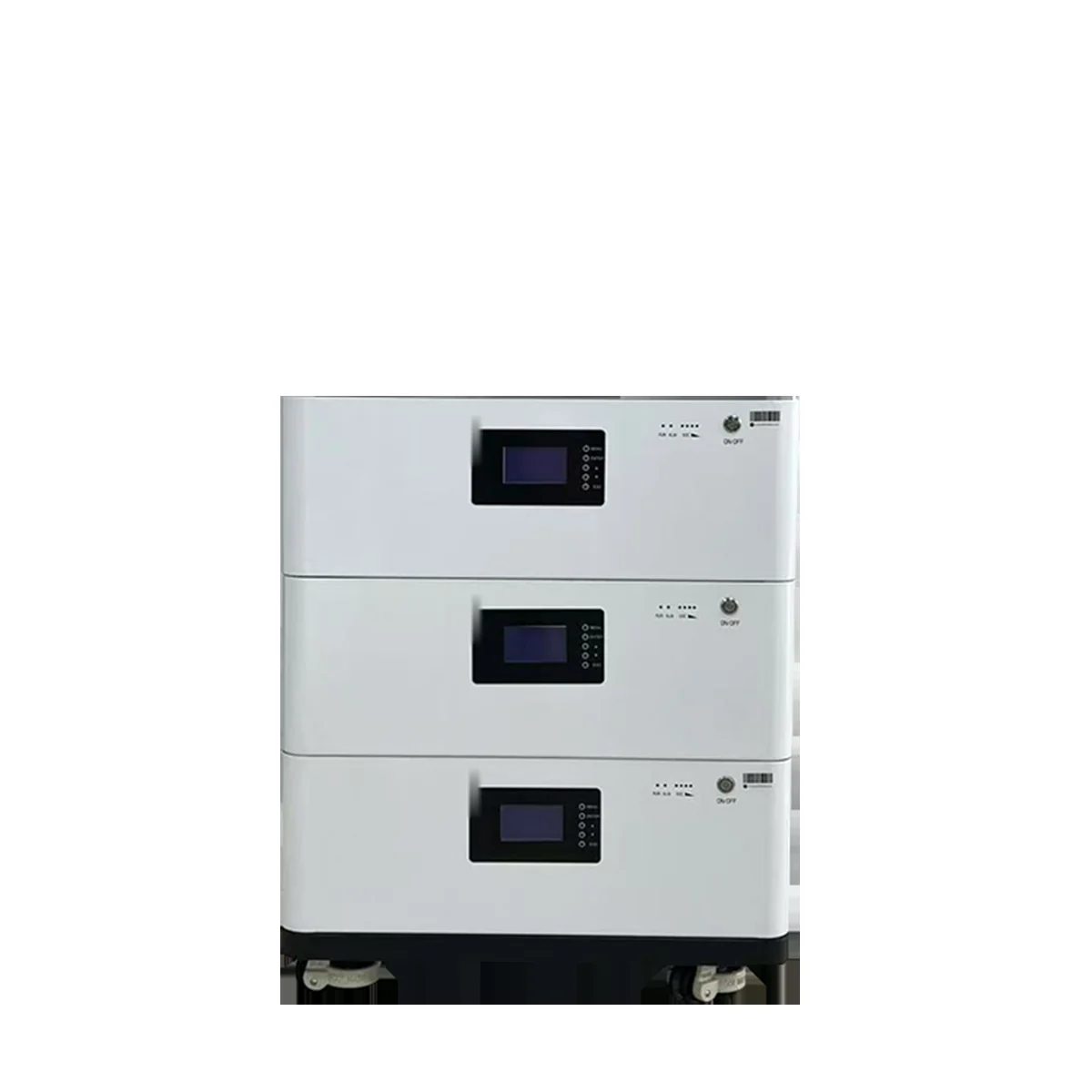
SC-DD48100 51.2V stackable home battery
CELLFORGE READOUT — SC-DD48100 · STACKABLE · 51.2V MODULE TABLE
The detail page for the stackable module: one module size, four steps, and the full electrical table behind the stackable series.
Specification summary
- Steps
- 2.56–10.24kWh
- Voltage
- 48V / 51.2V
- Charge
- 58.4V
- Cut-off
- 43.2V
One module size, four stacking steps
The SC-DD48100 is built on a single module platform that scales in four steps. The product page states that the stackable series covers 48V and 51.2V modules with capacities of 2.56kWh, 5.12kWh, 7.68kWh and 10.24kWh, corresponding to 50Ah, 100Ah, 150Ah and 200Ah. Each step adds energy on the same electrical frame, so the sizing conversation is about how many steps you need, not which battery to choose.
This approach simplifies planning for installers and distributors: you select the number of modules that matches the target capacity, and the rest of the system—voltage, charge profile and cut-off—remains consistent across the range. The supplier describes the modules as using prismatic LiFePO4 cells.
Because the steps are equal, you can compare configurations directly. For a given inverter and available space, the question becomes whether two steps or three steps better fit the load profile. The product page states the maximum continuous discharge for each step: 50A, 100A, 150A and 200A, so you can match the stack to the inverter’s current demand without over- or under-sizing.
Ask for the test reports and certificate documents your market requires for the exact model before you order.
Reading the charge and cut-off figures
The product page states a charge voltage of 58.4V and a cut-off of 43.2V for the SC-DD48100 range. In buyer terms, these figures define the window your charger or inverter must respect. The charge voltage is the charging voltage stated for the modules, and the cut-off is the stated discharge cut-off voltage; ask in the inquiry how the management system applies the two limits on this model.
When pairing with an inverter or charger, confirm that its charge profile can be set to 58.4V and that its low-voltage disconnect is coordinated with the 43.2V cut-off. The company's BMS page lists over-discharge protection among the pack's functions; confirm how the 43.2V cut-off and your inverter's low-voltage disconnect are coordinated for your installation. This matters for fleet managers and installers who need predictable behavior across many sites.
The supplier describes the modules as using prismatic LiFePO4 cells and an SOC/SOH algorithm. The model facts list that algorithm among the management functions, as the function that estimates state of charge and state of health. For distributors, this means the electrical window is consistent across all four steps: 2.56kWh, 5.12kWh, 7.68kWh and 10.24kWh modules all share the same charge and cut-off figures.
Always verify that the charger’s settings match the product page for the exact model you receive. Ask for the test reports and certificate documents your market requires for the exact model before you order.
Inverters, monitoring and ordering
The stackable table lists an SOC/SOH algorithm and multiple inverter interfaces for the SC-DD48100 series. For buyers, this means the pack can estimate state of charge and state of health, and can connect to a range of inverters. The supplier describes the modules as using prismatic LiFePO4 cells.
To order, provide four inputs: your inverter model, target capacity, quantity and destination. The inverter model lets the supplier confirm the interface and communication compatibility. Target capacity should be expressed in the steps from the product page: 2.56kWh, 5.12kWh, 7.68kWh or 10.24kWh, or a multiple of modules to reach a larger stack. Quantity clarifies whether you are ordering single modules or full stacks.
Destination helps with logistics planning. The product page states the electrical table, including 48V and 51.2V options, charge voltage 58.4V, cut-off 43.2V, and maximum continuous discharge of 50A, 100A, 150A or 200A depending on the step. Use these figures when matching to your inverter’s specifications.
Ask for the test reports and certificate documents your market requires for the exact model before you order.
Specification summary
| Module steps | 50 / 100 / 150 / 200Ah |
|---|---|
| Energy per step | 2.56 / 5.12 / 7.68 / 10.24kWh |
| Nominal voltage | 48V / 51.2V |
| Charge voltage | 58.4V |
| Max discharge | 50 / 100 / 150 / 200A continuous |
| Cut-off voltage | 43.2V |
| Cells | Prismatic LiFePO4 |
| Interfaces | Multiple inverter interfaces |
Before you order
What is the difference between the four stackable steps?
The product page states the steps differ in energy and capacity: 2.56kWh (50Ah), 5.12kWh (100Ah), 7.68kWh (150Ah) and 10.24kWh (200Ah). All use the same 48V/51.2V platform, charge voltage 58.4V and cut-off 43.2V.
What is the maximum continuous discharge for each step?
The product page states maximum continuous discharge of 50A, 100A, 150A and 200A for the 50Ah, 100Ah, 150Ah and 200Ah modules respectively.
Can I connect these modules to my existing inverter?
The stackable detail table lists multiple inverter interfaces. Provide your inverter model when ordering so the supplier can confirm compatibility. Ask for the test reports and certificate documents your market requires for the exact model before you order.
How does the system protect the battery at low charge?
The product page states a cut-off of 43.2V. The company's BMS page lists over-discharge protection among the pack's functions; confirm the coordination with your inverter's settings in the inquiry. The model facts also list an SOC/SOH algorithm among the management functions.
Get the SC-DD48100 file and quotation
Send the inquiry form with your inverter model, target capacity, quantity and destination, and we will follow up with the details you need for your application.
Go to the inquiry form