Series — stackable storage
Stackable home battery storage
CELLFORGE READOUT — STACKABLE TABLE · FOUR MODULE STEPS
One module size, four stacking steps: the SC-DD48100 stackable system grows from a single 2.56kWh module to a 10.24kWh stack on one published electrical table.
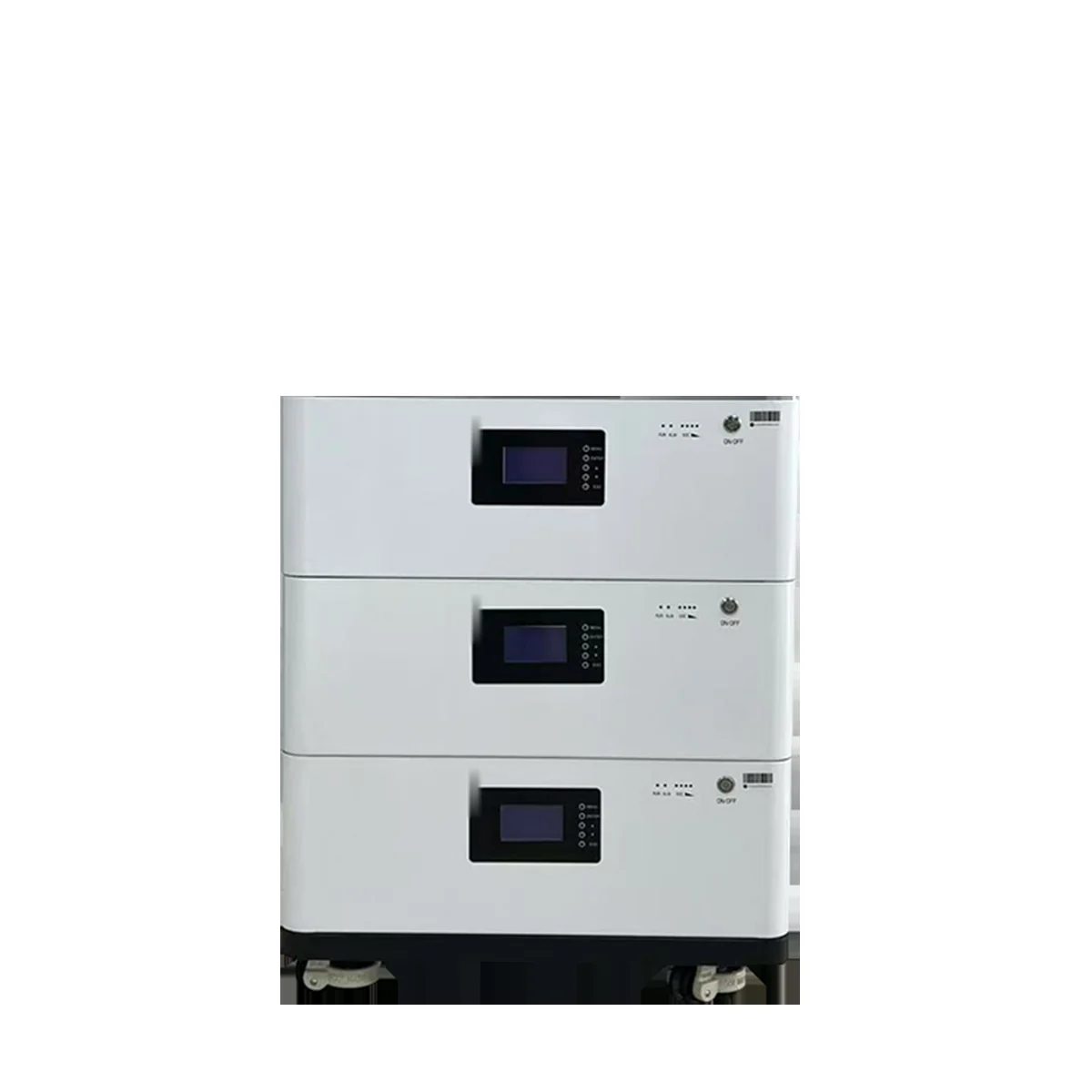
The module table
The stackable table as published by the company; the SC-DD48100 detail page repeats it in full:
| Module step | Capacity | Energy | Max discharge | Cut-off |
|---|---|---|---|---|
| Step one | 50Ah | 2.56kWh | 50A | 43.2V |
| Step two | 100Ah | 5.12kWh | 100A | 43.2V |
| Step three | 150Ah | 7.68kWh | 150A | 43.2V |
| Full stack | 200Ah | 10.24kWh | 200A | 43.2V |
Growing a stack over time
A stackable system is built to match the house, not the other way around. The company's stackable table lists modules at 2.56kWh, 5.12kWh, 7.68kWh and 10.24kWh, which correspond to 50Ah, 100Ah, 150Ah and 200Ah at 48V or 51.2V. Start with the module size that covers what the house needs now, then add steps as loads or solar grow. The table also lists a 58.4V charge voltage and a 43.2V cut-off, with maximum continuous discharge of 50A, 100A, 150A and 200A for the four steps. The configuration is confirmed per project, so the step you choose is matched to the actual installation rather than assumed. The product page states the system grows from a single 2.56kWh module to a 10.24kWh stack on one published electrical table. Ask for the test reports and certificate documents your market requires for the exact model before you order.
Inverters and the management layer
The product page states the modules use prismatic LiFePO4 cells. The supplier describes a SOC/SOH algorithm that estimates state of charge and state of health inside the pack, and lists multiple inverter interfaces. For a buyer, the practical question is which interface applies to your inverter. In the inquiry, name the inverter make and model, the planned stack size, and the communication method you expect to use. The supplier can then confirm the interface and any settings for that combination. Ask for the test reports and certificate documents your market requires for the exact model before you order. Because the stackable table covers several module sizes, confirm the interface for the exact module you intend to install rather than for the range as a whole.
Before you order
What module sizes are in the stackable range?
The company's stackable table lists modules at 2.56kWh, 5.12kWh, 7.68kWh and 10.24kWh, which correspond to 50Ah, 100Ah, 150Ah and 200Ah at 48V or 51.2V.
What are the charge and cut-off voltages?
The table lists a charge voltage of 58.4V and a cut-off of 43.2V for the stackable modules.
What is the maximum continuous discharge for each step?
The published table lists 50A, 100A, 150A and 200A continuous maximum discharge for the four steps.
Which inverter interfaces are available?
The supplier describes multiple inverter interfaces. The product page does not list them per model, so name your inverter make and model in the inquiry and ask the supplier to confirm the interface for the exact module you plan to use.
Plan your stack size
Send the inquiry form with your application and the model details you are considering, and the supplier can confirm the configuration for your project.
Go to the inquiry form