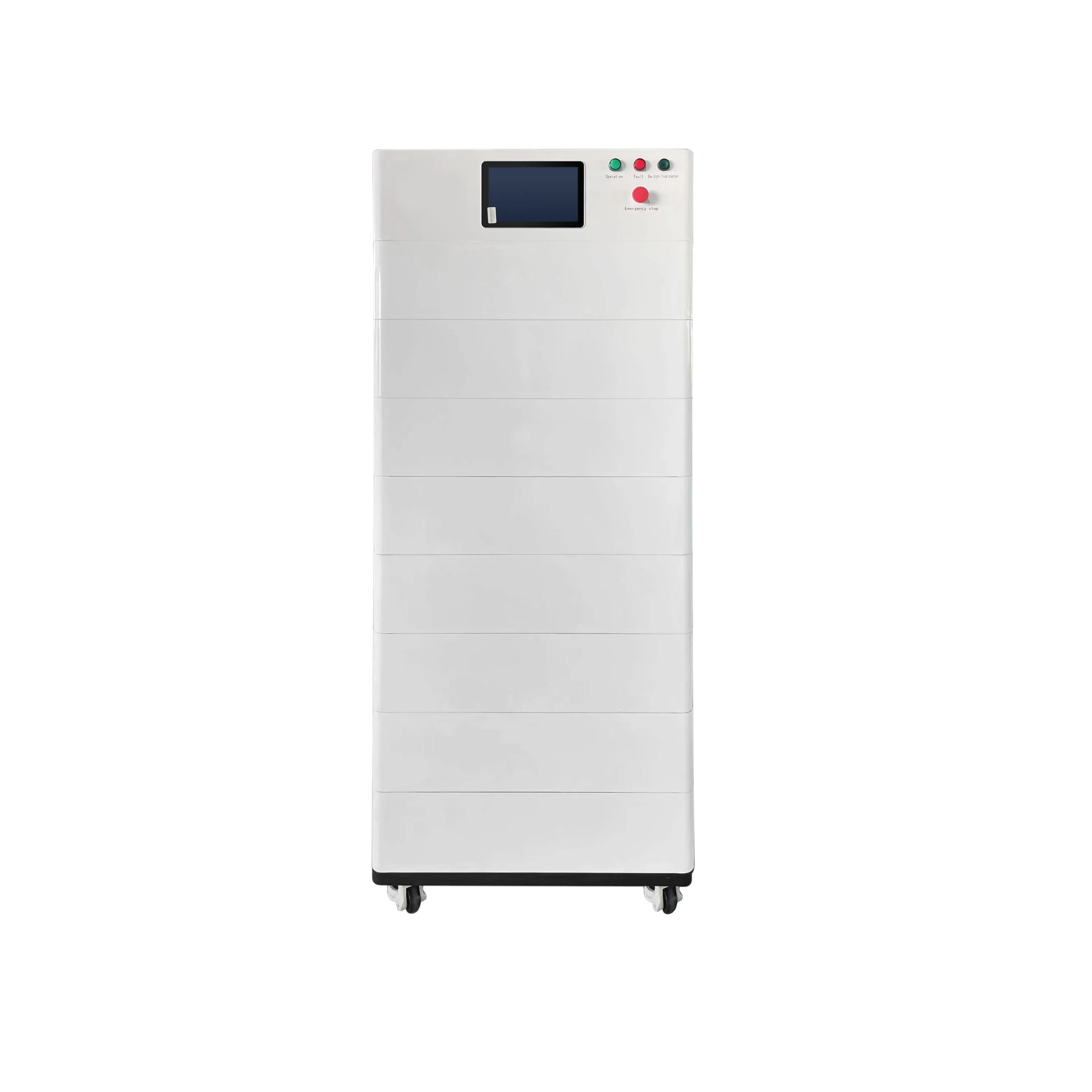
Product range — high-voltage ESS
High-voltage battery systems for commercial storage
CELLFORGE READOUT — HIGH-VOLTAGE SYSTEMS · 409V AND 537V CLASSES
Two cabinet systems at very different voltages: a 409V system and a 537V solar energy system, aimed at the sites the company lists — telecom, factories, commercial complexes and island microgrids.
Specification summary
- System one
- SC-HV409200 · 409V class
- System two
- SC-HV537150 · 537V class, full table on its page
- Sites listed
- Telecom, factories, commercial complexes, microgrids
- Integration
- Confirmed per project in the inquiry
Two system voltages, two different jobs
The range lists two cabinet systems at different voltage classes, and they are aimed at different kinds of work. The SC-HV409200 is the 409V system: a high-voltage cabinet option for sites that need storage at that voltage class. The SC-HV537150 is the 537V solar energy system, and it has its own detail page where the company sets out that model in more depth.
Start with the system class that matches your site and your inverter or PCS, then read the detail page for the model you are considering. The product page states the full model information for the solar system; the company profile states the applications this range is listed for. High-voltage work is installer territory, so bring your integrator into the conversation before you specify anything.
Sites this range is listed for
The company lists four application areas for this range: telecom, factories, commercial complexes and island microgrids. Each one puts a different question first.
For telecom backup, the conversation starts with how long the site must ride through an outage and what the critical loads are. For factories and commercial complexes, storage conversations usually begin with the site load profile: when demand peaks, what drives it, and how the site wants to manage it. Island microgrids bring their own operating pattern, often with generation close to the load and limited room for error.
The company describes this range as suited to these sites; the final scope still depends on your own load profile and site conditions. Ask for the test reports and certificate documents your market requires for the exact model before you order.
What an integrator will ask you
Before anyone can size a high-voltage cabinet for your site, your integrator will want a short list of inputs. Expect questions about site voltage and how the system will connect, the inverter or PCS you plan to pair it with, and the load profile the site actually runs: peak demand, daily pattern and what must stay powered.
They will also ask about the installation environment and any local requirements that apply where the system will go. Those answers shape the configuration, the pairing and the documentation package.
Have these ready before you send an inquiry: site voltage, inverter or PCS details, load profile, installation environment and local requirements. With those in hand, the supplier can respond to a defined request instead of a general one. Ask for the test reports and certificate documents your market requires for the exact model before you order.
SC-HV537150 · 537V
The 537V solar energy system, with its full specification on the detail page.
View rangeBefore you order
What is the difference between the two systems in this range?
The range lists two cabinet systems at different voltage classes. The SC-HV409200 is the 409V system. The SC-HV537150 is the 537V solar energy system, and the company details that model on its own page. Match the voltage class to your site and your inverter or PCS before you specify.
Which sites is this range listed for?
The company lists telecom, factories, commercial complexes and island microgrids as applications for this range. The right fit for your site still depends on your load profile and site conditions, so confirm the scope with your integrator.
Where do I find capacity and cycle figures?
The SC-HV537150 detail page lists the capacity and cycle figures for that system. Ask for the test reports and certificate documents your market requires for the exact model before you order.
What should I include in my inquiry?
Send your site voltage, the inverter or PCS you plan to pair with, your load profile, the installation environment and any local requirements that apply. High-voltage work is installer territory, so confirm your integrator and site requirements in the inquiry.
Bring the site profile to the inquiry
Send the inquiry form with your application and the model details you are considering, and the supplier can respond to a defined request.
Go to the inquiry form