Guide — home storage
Sizing a battery for home storage
CELLFORGE READOUT — SIZING METHOD · LOADS BEFORE CAPACITY
Good sizing is a method, not a number: list the loads that matter, decide how long they must run, and only then talk about capacities with a supplier.
Start with the loads that must not stop
Before anyone talks about battery capacity, write down what has to keep running when the grid goes down. Walk the house room by room and list the loads by name: lighting in the rooms you actually use after dark, the refrigerator and freezer, the router and modem, phone chargers, a few power outlets for a laptop or a radio. Those are your critical loads.
Then write a second list: what can wait. The oven, the clothes dryer, the air conditioning, the workshop tools, the car charger if you have one. Most households find the second list is far longer than the first. That is the point of the exercise. A battery sized for everything is a battery sized for habits you can pause during an outage.
Finally, note how each critical load is used: always on, on in the evening, or on only when someone is home. That habit pattern, not a wattage, is what you take to a supplier.
Overnight shifting is a different brief from backup
Two goals get mixed up in home storage conversations, and they size very differently. The first is solar self-consumption: you charge from your own array through the day and draw from the battery in the evening, so you buy less from the grid. That battery works every day. It cycles shallowly and often, and it is sized around your evening habits against your daytime solar production.
The second is outage backup: the battery sits mostly full and is called on rarely, but when it is called on it may be asked to run deeper and longer. Sizing here is about how long the critical list must run, not about the evening routine.
A house optimized for daily shifting may be undersized for a long outage; a house optimized purely for backup may carry capacity that rarely gets used. Decide which brief leads before you discuss models. The supplier describes wall-mounted, stackable, floor-standing and all-in-one formats, and the right format follows from the brief.
Think in blocks, then map to formats
Rather than jumping to a number, plan in blocks: a small household block, a medium household block, a large household block. Each block is a planning device — a way to group your critical loads and your backup-hours ambition into a rough size class before you ever discuss capacity with a supplier. Think of it as small, medium or large, and let the supplier translate.
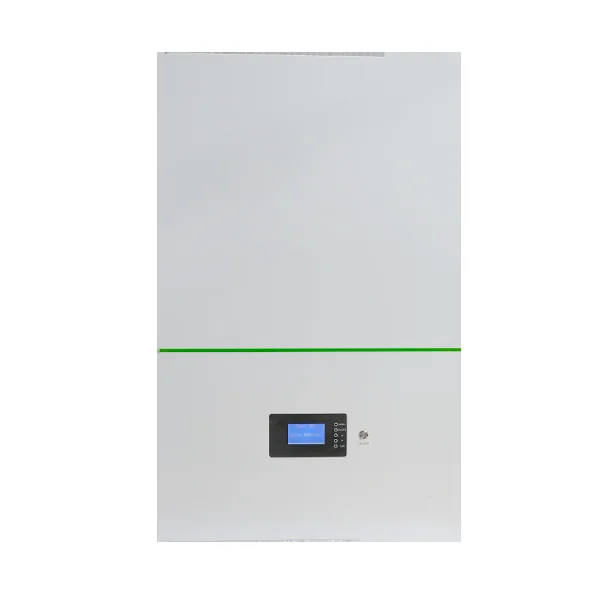
Once you know your block, map it to a format. Wall-mounted suits a compact block with limited floor space. Floor-standing suits a larger block where the equipment can sit in a utility area. All-in-one bundles the pieces into one unit for simpler installation. Stackable formats let you add modules over time; parallel formats let units work together. Both leave room to grow, so a growth plan can start at one block and expand later.
The questions to take to a supplier
Bring a short checklist to the conversation. First, your critical-load list, with the habit notes from earlier. Second, your backup-hours ambition in words: overnight only, a full evening and night, or longer. Third, whether you already have a solar array and how it is wired. Fourth, your inverter situation: existing, planned, or none yet. Fifth, the installation space: wall, floor, utility room, garage.
Ask the supplier to match those answers to a format and a block size, and to explain what happens if your needs grow. Ask for the test reports and certificate documents your market requires for the exact model before you order. Then look at the home storage range and send the inquiry form with your application and model details so the reply is specific to your house.
Before you order
How do I know which block size I need?
Start from your critical-load list and your backup-hours ambition, both in words, and let the supplier map them to a small, medium or large household block. The blocks are a planning device, not a capacity figure; the exact model capacity is on the category and detail pages.
Can I add capacity later if my needs grow?
Stackable and parallel formats leave room to grow, so a plan can start at one block and expand later. Ask the supplier which format in the home storage range supports the growth path you have in mind.
What is the difference between a wall-mounted and a floor-standing unit?
The supplier describes wall-mounted, stackable, floor-standing and all-in-one formats. Wall-mounted suits compact blocks with limited floor space, floor-standing suits larger blocks in a utility area, and all-in-one bundles the pieces into one unit.
What should I have ready before I contact a supplier?
Your critical-load list with habit notes, your backup-hours ambition in words, whether you have a solar array, your inverter situation, and your installation space. Ask for the test reports and certificate documents your market requires for the exact model before you order.
Bring your load list to the inquiry
Send the inquiry form with your application and model details, and the supplier can match your critical-load list and backup ambition to a format in the home storage range.
Go to the inquiry form