Guide — wholesale buying
Buying wholesale LiFePO4 batteries
CELLFORGE READOUT — WHOLESALE CHECKLIST · DOCUMENTS BEFORE PRICES
Wholesale battery buying goes wrong in predictable places: documents that do not match models, terms quoted for a different configuration, samples that differ from production. This checklist closes those gaps.
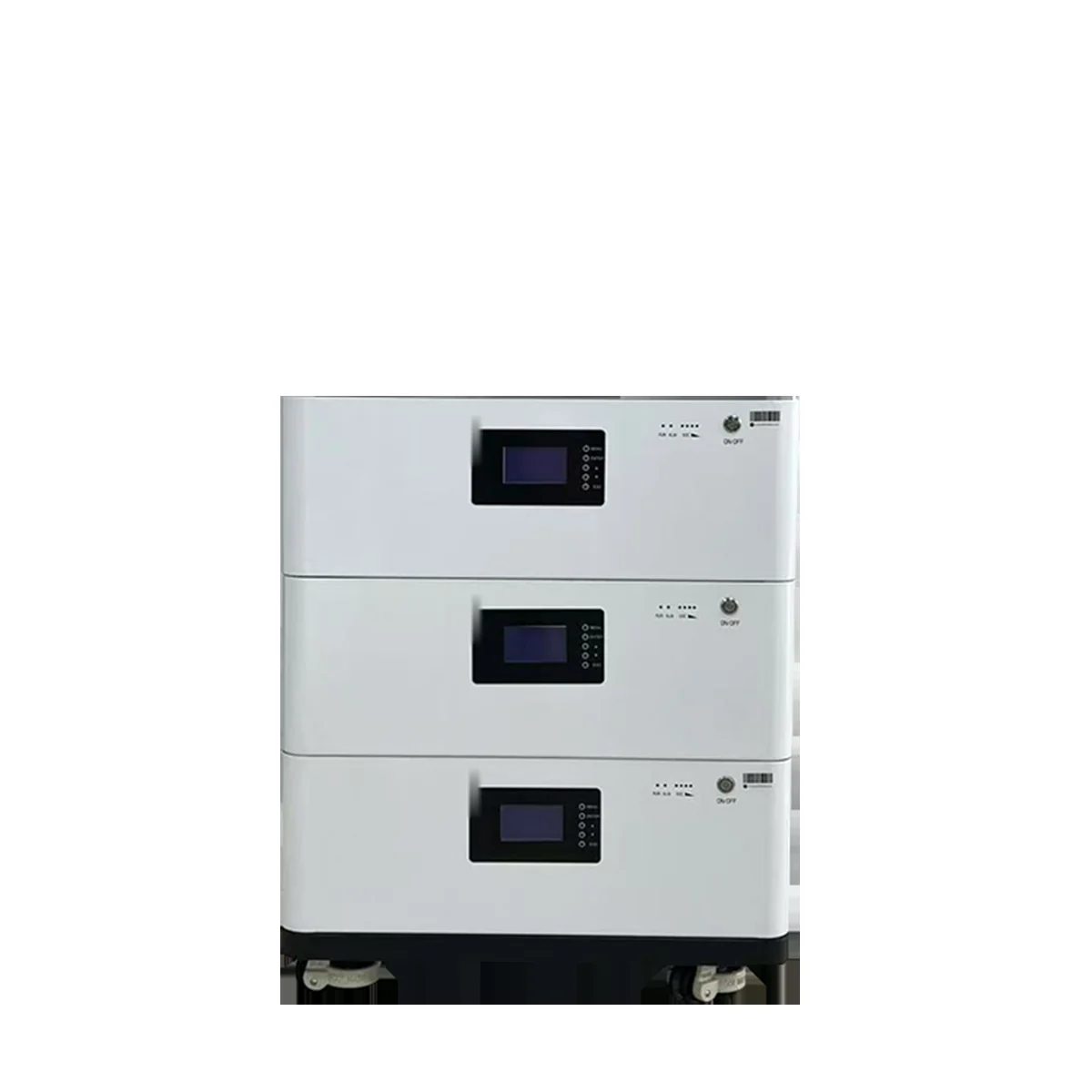
Specification before price
A price is only meaningful when it is attached to a defined product. Quoted against the wrong voltage, capacity, casing, connector or pack layout, a number tells you nothing you can use. Start with the specification sheet for the exact model you intend to buy, and read it before you discuss anything commercial.
Freeze that sheet before quotes move back and forth. Write down the configuration you need, confirm it with the supplier in writing, and treat the confirmed sheet as the reference for every later conversation. If the configuration changes, the quote is a new quote and the comparison starts again.
This order of work protects both sides. Buyers compare like with like, and the supplier quotes against a fixed target instead of guessing. The product page states which models are available; use it to pick your candidate, then ask for the specification sheet for that model. Price comes after the sheet, not before.
Documents per model, per market
Paperwork is specific to a model and to a market. A document issued for one pack configuration does not cover another, and a document accepted in one market may not be what your market asks for. Treat documents as part of the purchase, not as an afterthought once the goods are on the water.
Ask for the test reports and certificate documents your market requires for the exact model before you order. Name the model and the destination market in that request, so the supplier knows what to send. Company materials state that help with certification paperwork is offered for customised projects; confirm with the supplier which documents apply to your model and market, and check them against your own requirements.
When the documents arrive, match them to the model on the specification sheet. Check model references, configuration details and issue dates, and keep copies with your purchase records. If a document does not match the model you are buying, ask for the correct one. Ask about documentation support early, while changes are still easy.
Sample discipline
Order samples against the written specification, not against a verbal description. Send the confirmed specification sheet with the sample request and ask the supplier to confirm that the sample will be built to it. Record the configuration in your own files: model, pack layout, connectors, casing and labelling as written on the sheet.
When the sample arrives, check it against that record before you test anything else. Confirm the markings, the physical build and the labelling match what was agreed. Keep the approved sample, or a clear photo record of it, as your reference for the order.
Then compare production against the sample. Ask how the supplier re-checks production against the approved sample, and request that comparison in writing with the shipment documents. If a production unit differs from the sample, raise it before the goods leave. This is the cheapest place to catch a difference, and the written record is what makes the conversation straightforward.
Terms in writing, per model
State your order quantity in the inquiry so the supplier can confirm order terms for your model. Quantity and model belong together: terms quoted for one configuration do not carry over to another, so confirm them per model, in writing, before you commit.
Ask for the quotation to list the model, the configuration from the specification sheet, the quantity you stated and the order terms the supplier confirms. If anything in the quotation does not match your sheet, ask for a corrected version rather than working from memory or from an earlier message.
Request the warranty terms in writing per model, including what is covered and how a claim is handled. Ask how after-sales support works for your model, and get the answer in the file. When the written terms, the specification sheet and the documents all line up, the order is ready to place. Send the inquiry form with your application and model details to start.
Before you order
What should I have ready before asking for a wholesale quote?
Have the specification sheet for the exact model you want and a clear statement of your order quantity. State your order quantity in the inquiry so the supplier can confirm order terms for your model. A price attached to an undefined configuration is not useful for comparison, so freeze the sheet first.
Which documents should I request for my order?
Ask for the test reports and certificate documents your market requires for the exact model before you order. These are specific to the model and the market, so name both in your request and check that what arrives matches the model on your specification sheet.
How do I make sure production matches the sample?
Order samples against the written specification and record the configuration in your own files. When the sample arrives, check it against that record and keep it, or a clear photo record, as your approved reference. Then ask the supplier to re-check production against the approved sample and to confirm that comparison in writing with the shipment documents.
How are order and warranty terms confirmed?
State your order quantity in the inquiry so the supplier can confirm order terms for your model, and ask for those terms in writing per model. Request the warranty terms in writing per model as well, including what is covered and how a claim is handled, so the written terms, the specification sheet and the documents all match before you order.
Start the checklist with an inquiry
Send the inquiry form with your application and the model details you are considering, and the supplier can confirm specification, documents and order terms for that model.
Go to the inquiry form