Guide — comparison
LiFePO4 vs lead-acid batteries
CELLFORGE READOUT — COMPARISON · QUALITATIVE, BY DESIGN
The two chemistries ask different things of a buyer. This comparison stays qualitative: the figures that decide a purchase belong to the specific models being costed, and each model is costed against its own specification sheet.
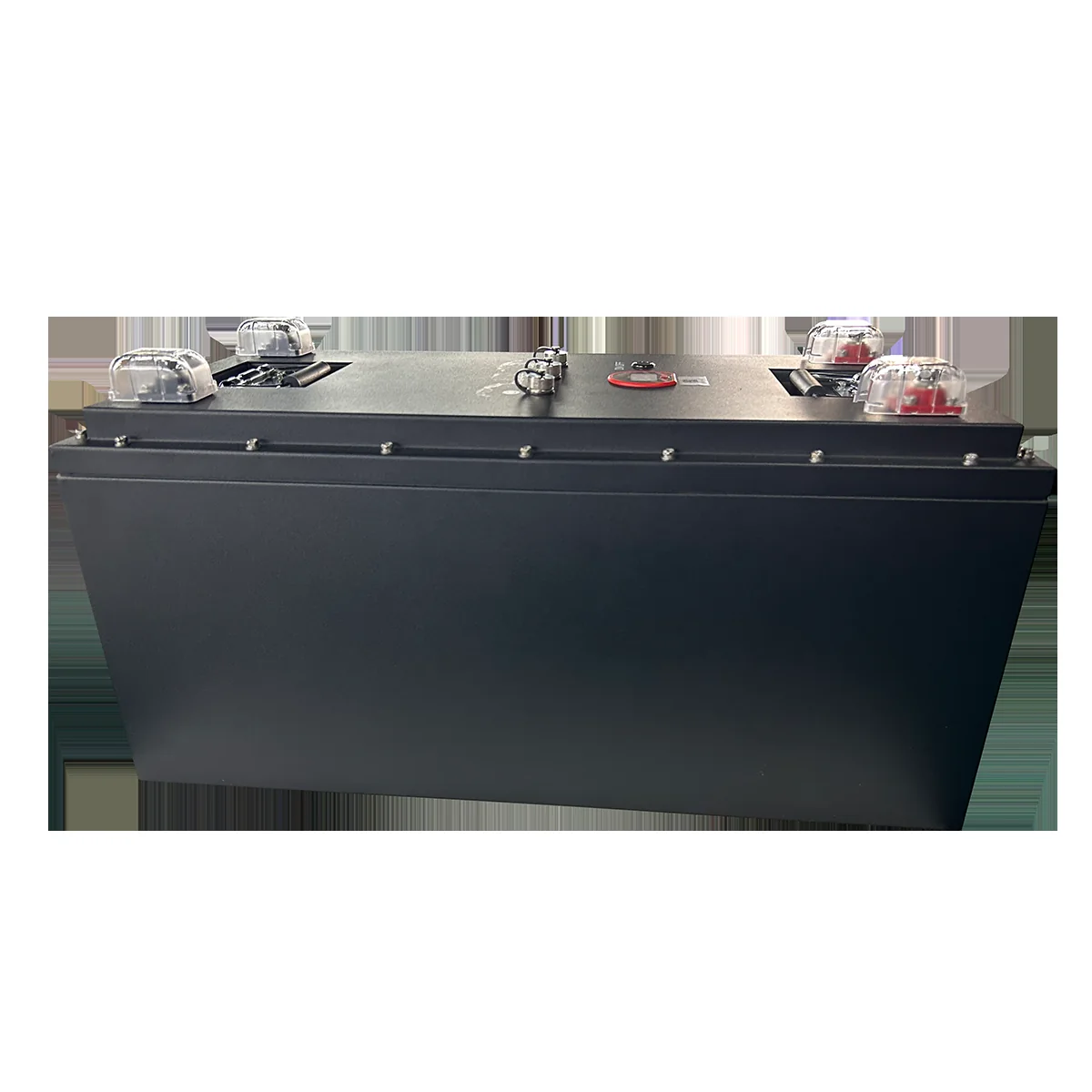
The side-by-side, without the slogans
Each row is a property a buyer can verify from the model documents of the specific products being costed:
| Property | LiFePO4 | Lead-acid |
|---|---|---|
| Weight for usable energy | Lighter for the same usable capacity | Heavier; more of the nameplate is held in reserve |
| Usable discharge | Designed for deep daily cycling | Shallower routine discharge for long life |
| Maintenance | No watering; the BMS supervises the pack | Watering and equalisation on flooded types |
| Charging | Managed charging with protection cut-offs | Simpler chargers; ventilation for gassing types |
| Upfront price | Higher per unit of nameplate capacity | Lower; a mature, widely stocked technology |
| Replacement rhythm | Fewer replacements across a long service plan | More frequent replacement in daily-cycle duty |
Weight and usable energy
Weight comparisons between LiFePO4 and lead-acid only make sense once you decide how much of each pack you will actually use. LiFePO4 packs are lighter for the same usable energy, and the key phrase is usable. Lead-acid banks are habitually run to a shallow depth of discharge to protect their life, so a large share of the nameplate capacity is held in reserve. LiFePO4 packs allow a deeper usable depth of discharge, so more of what you buy is energy you can plan around.
For a vessel or a fleet, that changes the sizing conversation. Instead of comparing nameplate capacities side by side, compare the usable energy each model gives you under your own duty, then compare the weight you carry to get it. The difference is stated qualitatively here; no single weight ratio applies across every model. Work from the datasheets for the exact packs you are costing, and ask the supplier to state the usable energy and pack weight for each model in writing.
Maintenance and supervision
Lead-acid banks bring a routine: watering cells, equalisation charges, terminal checks and the record-keeping that proves the routine was followed. That routine is manageable for a single site with a dedicated technician. It is harder to sustain across a fleet or a vessel where nobody is on watch for the battery. Missed watering and skipped equalisation are quiet failures; the bank keeps working until it does not.
A sealed LiFePO4 pack shifts that burden into electronics. The supplier describes charging as managed by a BMS inside the pack, which supervises the cells during charge and discharge. For fleet managers and vessel operators, the practical question becomes who reads the BMS data and how faults are reported, not who carries a watering can. Ask the supplier what information the pack exposes and how your monitoring or charger integrates with it. Neither chemistry removes supervision; they place it differently, and you should choose the model whose supervision fits your operation.
Lifetime cost is a duty-cycle question
The purchase price is the easy number to compare and the least useful one on its own. Lifetime cost depends on duty cycle and replacement intervals, and those are properties of your application, not of the chemistry in the abstract. A pack in daily deep cycling lives a different economic life from a pack that sits on standby and is called on occasionally. The comparison here is qualitative; the figures that decide a purchase belong to the specific models being costed.
That cuts both ways. In daily-cycle duty, a cheaper lead-acid bank may be replaced more often, so the lower upfront price can turn into the dearer ownership once replacements and labour are counted. In standby duty, where the bank is rarely cycled, the cheaper purchase may well be the cheaper ownership. Do not accept a general answer. Cost the exact models against your own duty cycle, using the suppliers' own documents for expected life and replacement intervals, and ask for the test reports and certificate documents your market requires for the exact model before you order.
Which chemistry for which job
Both chemistries appear in the applications this site covers: marine, traction and storage. The choice is less about which chemistry wins and more about which model fits the duty you will actually impose.
In marine work, weight carried and space taken matter, and so does supervision when the boat is away from shore power for long periods. A sealed pack with managed charging suits operators who cannot run a watering routine aboard; a lead-acid bank can still make sense where the boat is maintained at a yard and the bank is sized conservatively. In traction duty, daily cycling favours the chemistry whose usable depth you can plan around, which points buyers toward LiFePO4 packs, while the duty cycle and replacement interval still need costing per model. In home and site storage, standby-heavy duty can favour the cheaper purchase, and daily-cycled storage can favour the deeper usable capacity.
Use the application ranges on this site as a starting point, then compare specific models with the suppliers' own documents.
Before you order
Can I compare LiFePO4 and lead-acid by nameplate capacity alone?
No. LiFePO4 packs are lighter for the same usable energy, which means the comparison has to be made on usable energy, not nameplate. The two chemistries are habitually run to different depths of discharge: lead-acid banks are kept shallow to protect their life, while LiFePO4 packs allow a deeper usable depth of discharge. Ask the supplier to state usable energy and pack weight for each model you are costing, then compare those figures under your own duty.
What maintenance does each chemistry ask of a fleet or vessel operator?
Lead-acid brings watering, equalisation and terminal routines that have to be recorded and kept up, which is harder across a fleet or a vessel without a dedicated technician. A sealed LiFePO4 pack moves that work into electronics: the supplier describes charging as managed by a BMS inside the pack. The operator's job becomes reading the pack data and acting on faults. Ask the supplier what the pack exposes and how your charger or monitoring integrates with it before you commit a fleet or a vessel to either.
Is the cheaper purchase always the cheaper ownership?
Not necessarily, in either direction. Lifetime cost depends on duty cycle and replacement intervals, so the answer belongs to your application. In daily-cycle duty a cheaper lead-acid bank may be replaced more often, which can make it the dearer ownership once replacements and labour are counted. In standby duty the cheaper purchase may well be the cheaper ownership. Cost the exact models against your own duty cycle using the suppliers' own documents, and ask for the test reports and certificate documents your market requires for the exact model before you order.
Which chemistry should I choose for marine, traction or storage?
Both chemistries appear in the applications this site covers. Match the model to the duty rather than picking a chemistry in the abstract. Marine buyers weigh carried weight, space and supervision away from shore power; traction buyers in daily cycling should plan around usable depth of discharge and cost replacement intervals per model; storage buyers in standby-heavy duty may find the cheaper purchase works, while daily-cycled storage favours deeper usable capacity. Start from the application ranges on this site, then compare specific models with the suppliers' own documents.
Cost both options in one quotation
Send the inquiry form with your application and the model details you are considering, and we will help you line up the right packs for your duty cycle.
Go to the inquiry form