Guide — off-grid
Battery storage for off-grid homes
CELLFORGE READOUT — OFF-GRID · THE BATTERY IS THE SUPPLY
Off-grid, the battery is not a backup — it is the supply. Planning starts from the property's daily rhythm and its worst week of weather, not from a catalogue page.
Size generation and storage together
Off-grid sizing is a balancing act, not a shopping decision. The generation side — typically solar — has to carry the property through its weakest season, when days are short and skies are grey. The storage side has to carry the property through the night and the poor-weather stretches that follow. Size one side without the other and you strand money: panels that produce more than the battery can absorb, or a battery that sits empty because there was nothing to charge it. Cellforge lists off-grid as an application for its home energy storage range, The range is an energy storage system for homes, and the systems pair with solar generation. Start with the property's daily rhythm, then match generation and storage to each other rather than treating either as the headline number.
Plan for the worst week, not the average day
An off-grid battery has to be judged on the worst week of the year, not the average one. Several poor-weather days in a row, a house full of guests, a workshop running longer than usual — these are the conditions that empty a battery, and they are the conditions worth planning for. Autonomy thinking means asking how the property behaves when generation is low for a stretch, not how it behaves on a good day. The practical discipline is a critical-load circuit: a defined set of loads that must stay on, separated from loads that can wait. Decide what belongs on that circuit — typically lighting, refrigeration, communications and water pumping — and let everything else be negotiable. The supplier describes off-grid as an application for the home range; the load priorities are yours to set.
Formats that suit a plant room
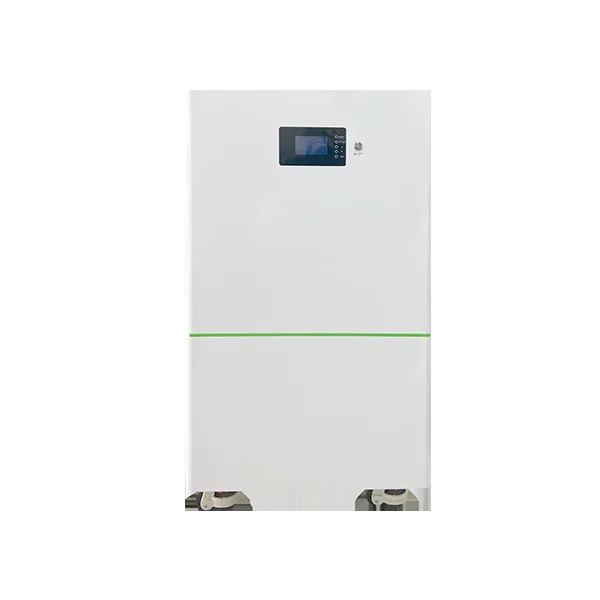
Off-grid installations live in plant rooms, garages and outbuildings, and the format of the battery should suit the space you actually have. Floor-standing units suit a dedicated plant room with a clear footprint and room to work around the cabinet. Stackable formats suit properties where storage may grow later: start with the capacity the property needs now and add modules as the load grows, without rebuilding the installation. All-in-one formats simplify remote installs, where the fewer separate boxes to mount, wire and commission, the better. The home ESS range comes in these formats. For island microgrids and commercial-scale sites, the SC-HV537150 system is a high-voltage conversation — a different design logic, handled as its own project rather than a scaled-up home install. Ask the supplier which format fits your site.
The off-grid inquiry
A useful off-grid inquiry starts with the property, not the product. Send the property's daily load rhythm — what runs, when, and for how long — along with the critical loads you cannot do without. Include your existing generation: the array you have, or the one you plan, and how it has performed through a poor-weather stretch. Note any expansion plans, such as a workshop, an outbuilding or a growing household, because storage sized for today may need to grow later. Finally, give the destination, since site conditions shape the format and installation approach. Off-grid is a listed application for the home ESS range; the SC-HV537150 system's page lists grid-connected and off-grid modes. Point to the range pages for the model families, then send the inquiry form with your application and model details. Ask for the test reports and certificate documents your market requires for the exact model before you order.
Before you order
What is the difference between the home ESS range and the SC-HV537150 system?
The company profile describes the home ESS range as energy storage for homes, with off-grid listed as an application. The SC-HV537150 system is the high-voltage system, listed for sites such as island microgrids, and is a separate conversation from home storage. The right starting point depends on the property's load rhythm, generation and expansion plans, so send those with your inquiry.
Can I add storage later if the property's load grows?
Stackable formats suit properties where storage may grow later, since you can start with what the property needs now and add modules as the load grows. The home ESS range comes in floor-standing, stackable and all-in-one formats. Ask the supplier which format fits your site and your expansion plans.
Does the battery work with my existing solar generation?
The systems pair with solar generation. Sizing is a balance: generation has to carry the property through its weakest season, and storage has to carry it through the night and poor-weather stretches. Send your existing generation details and how it has performed through a poor-weather stretch with your inquiry.
What documentation should I ask for before ordering?
Ask for the test reports and certificate documents your market requires for the exact model before you order. Requirements vary by market and by model, so name the exact model in your inquiry and request the documents that apply to it.
Describe your property in the inquiry
Send the inquiry form with your application and model details — the property's load rhythm, existing generation, expansion plans and destination — and the supplier can point you to the right format.
Go to the inquiry form