Blog
Solar battery storage for off-grid homes
CELLFORGE BLOG — OFF-GRID HOMES · GENERATION AND STORAGE, PAIRED
An off-grid home runs a small power station whether its owner thinks of it that way or not. This article covers the pairing of solar generation and battery storage in plain terms — the numbers belong to the property's own survey.
The day-night rhythm runs the design
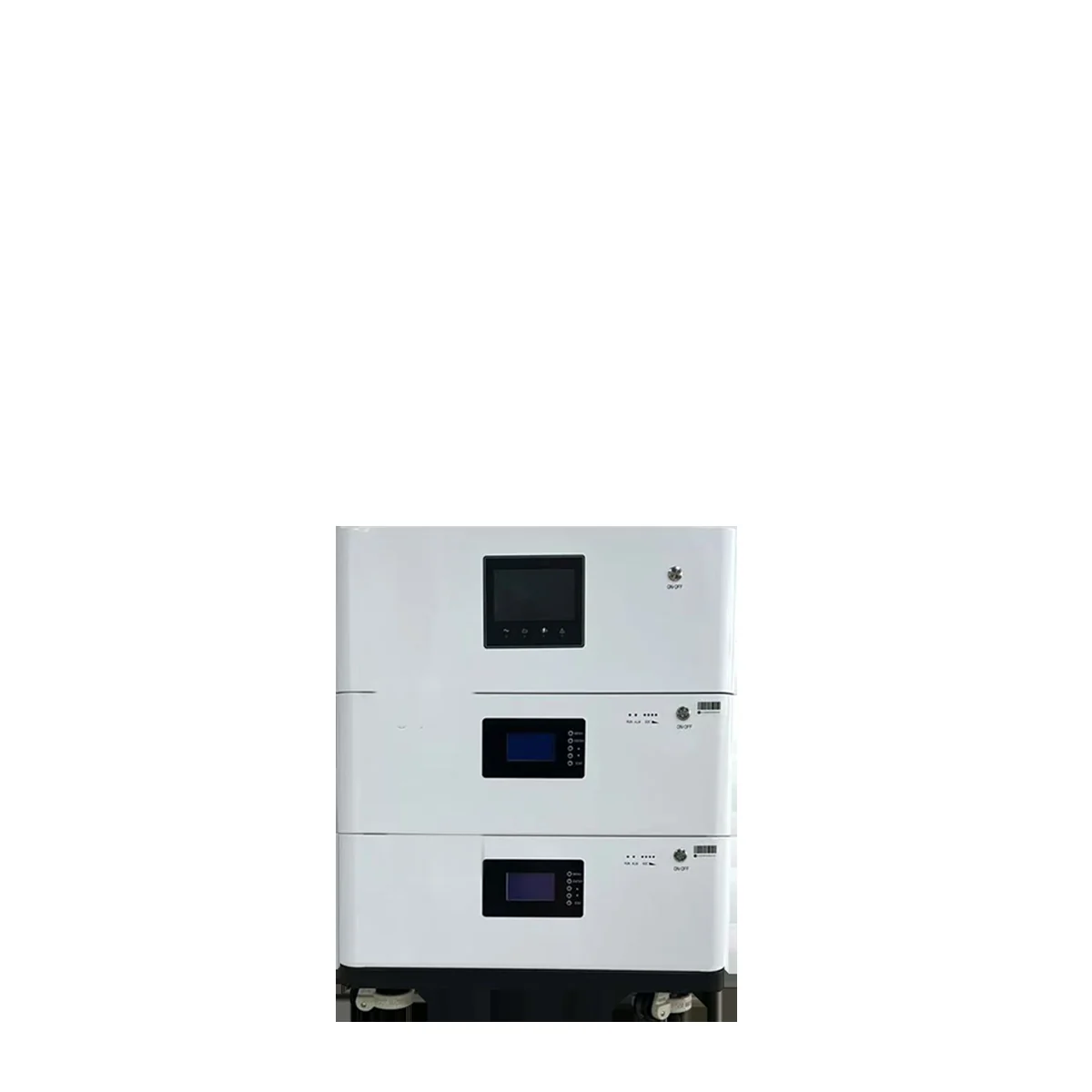
An off-grid home makes its own power, stores what it can, and spends it carefully. Solar panels only produce while the sun is up; the household keeps using power after dark and through cloudy stretches. Battery storage bridges that gap, so the first design question is not which battery to buy but how a typical day and night actually run in this house.
Start with the rhythm, not the product. When does the household wake, cook, work, wash and sleep? Which loads run in daylight and which run after sunset? A home that does most of its heavy work while the sun is high asks something different of a battery than one whose evenings are busy. The product page states that off-grid is a listed application for the Cellforge home ESS range, but the range cannot tell you the rhythm of your property — the survey does.
Then match the pairing to that rhythm. Generation by day and consumption by night set how much storage makes sense and how the system should be operated. The point is to size the pairing before any model is chosen, so the battery serves the house rather than the house being bent around a catalogue entry.
Write the day down honestly: what switches on, in what order, and for how long. That plain record is the design input installers and distributors can work from, and it keeps the conversation concrete when the time comes to ask for a quotation.
Seasons are the real specification
Bright months flatter an off-grid system. Days are long, panels work for more hours, and the household can relax. The dim months are the real specification: shorter days, weaker sun, and more time with lights and heating or cooling running. A system designed around the bright months will disappoint its owner exactly when they need it most.
So design for the dim season first, then check the bright one. Ask what the property needs when the weather closes in, and work back from there. Generation falls, loads rise, and storage has to carry more of the burden. Work through the survey inputs one by one: the loads that must never stop, the hours they run in each season, and how they shift when the weather closes in. Read each model's capacity on its category and detail pages, against the survey.
Load discipline matters as much as hardware. When the weather closes in, the household that knows which appliances can wait until the sun returns will ride out the dim stretch far better than one that expects business as usual. Agree the priorities before the season arrives, not during it.
The company profile describes R&D, production and sales of lithium-ion battery packs and energy-storage systems. For an off-grid home, the useful next step is a seasonal review of the property's own habits, so any model is chosen against the dim months rather than the easy ones.
Critical loads and honest compromises
An off-grid home works best when the property is split in two: loads that always run, and loads that wait for sunshine. The critical-load circuit is the off-grid institution — a set of circuits the household has decided must stay live, whatever the weather. Everything else is discretionary and can be scheduled, deferred or switched off.
Draw the line honestly. Lighting, refrigeration, communications and whatever the household cannot do without belong on the critical side. Heavy appliances, workshop tools, extra heating or cooling and convenience loads belong on the discretionary side. The split is a decision about the household's life, not about the battery, and it should be written down and agreed before any product is chosen.
Compromises are part of the design, not a failure of it. A home that accepts that some loads wait will run more comfortably than one that pretends every appliance can run at once in every season. The critical-load circuit makes that acceptance practical: the household knows what stays on and what waits, and the system is sized around a realistic picture.
The product page states that off-grid is a listed application for the home ESS range. The supplier describes the packs as including a battery management system as a feature inside the packs; that feature supports safe operation, but it does not decide which loads are critical. That decision belongs to the survey and the household.
Formats for a property with no grid
Off-grid properties differ in how much simplicity, growth and capacity they need, and the format should follow the property. All-in-one systems suit remote installs where simplicity matters: fewer separate parts, a clearer installation story, and less to explain to a household that may be far from technical help. The product page states that off-grid is a listed application for the home ESS range, and the all-in-one approach is one way to serve it.
Stackable formats suit households that expect to grow. A family may add loads, a workshop or an outbuilding over time, and a stackable arrangement lets the storage grow with the property rather than being replaced. Floor-standing capacity suits large properties where the storage room and the load profile call for a bigger, stationary installation.
Generator pairing is the belt-and-braces topic. A generator can back up the battery system during long dim stretches, and the pairing should be discussed as part of the design rather than added in a panic. How the generator and the storage work together belongs in the survey conversation with the installer.
None of these formats is right for every property. The buyer's job is to describe the property — remote or near, growing or settled, small or large — and let the format follow. Ask for the test reports and certificate documents your market requires for the exact model before you order, and keep the format decision tied to the survey rather than to a catalogue page.
Survey before quotation
The inquiry comes after the survey, not before it. Before any model is named, the supplier needs the property's rhythm: how many people live there, how their days and nights run, what the dim months look like, which loads are critical, and what panels and generator already exist. Those inputs turn a general range into a specific recommendation.
So gather them first. Occupants and their habits, the seasonal pattern in words, the critical-load list, the existing solar array, and any generator already on site — that is the brief. With it, installers and distributors can read the home ESS range against the property instead of guessing. The company profile describes R&D, production and sales of lithium-ion battery packs and energy-storage systems, and off-grid is a listed application for the range.
Then read the off-grid guide and the home range together. The guide explains how generation and storage pair up; the range pages carry the capacities. Ask for the test reports and certificate documents your market requires for the exact model before you order.
Send the inquiry form with your application and model details once the survey is done. That is the shortest path from a property's rhythm to a quotation that fits it.
Talk to the sales team
Send the inquiry form with your application and the model details you are considering, and include the property's occupants, seasonal pattern, critical loads, existing panels and any generator.
Go to the inquiry form