Model series — 48V packs
48V lithium pack series — 50Ah, 105Ah and 150Ah
CELLFORGE READOUT — 48V PACK SERIES · THREE CAPACITIES, ONE FRAME
The detail table behind the 48V series page: three capacities, one electrical frame, and the applications the company lists for it.
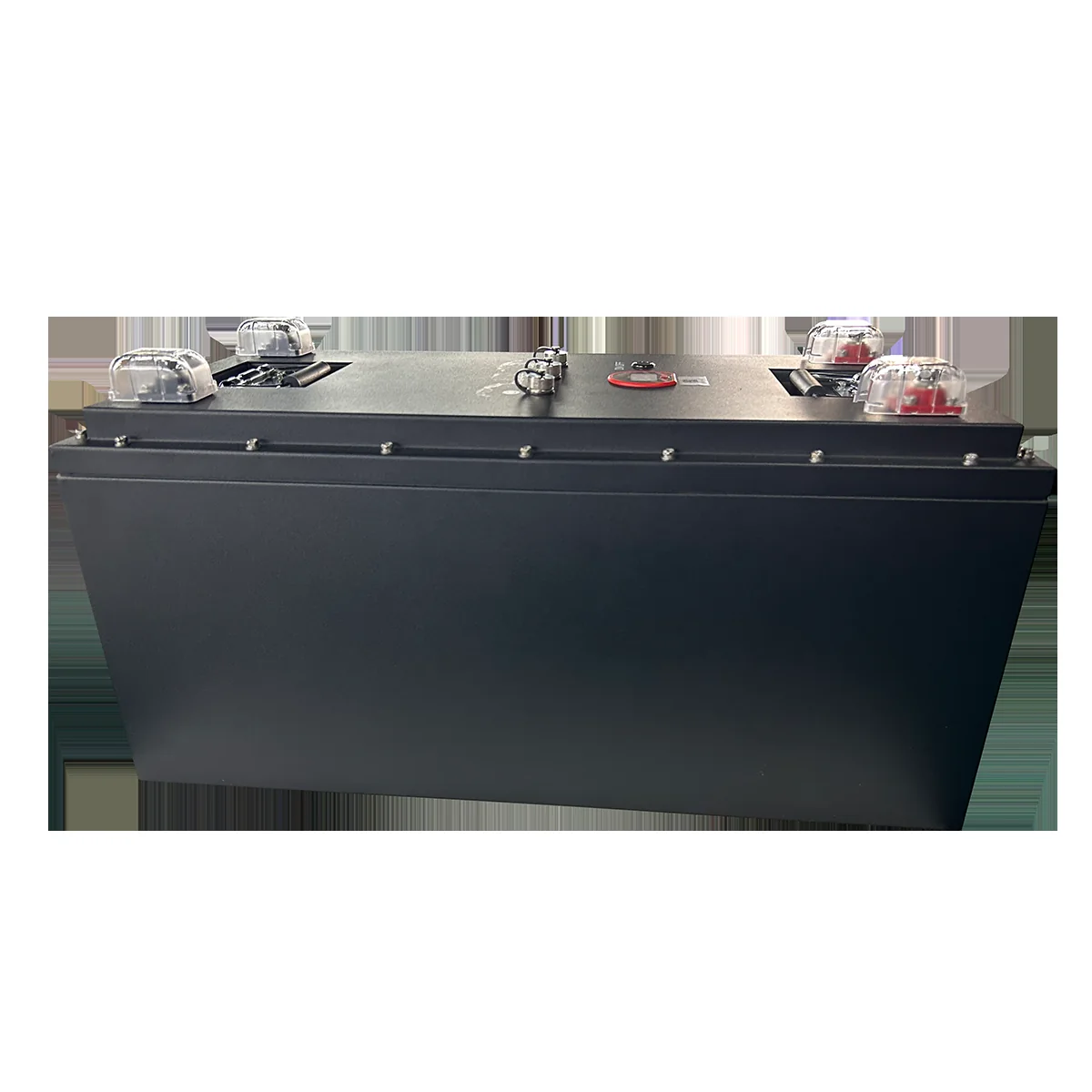
Standard vs maximum discharge, in plain terms
The 48V series table lists two discharge columns: standard and maximum continuous. The series table states standard discharge of 50A, 100A and 150A for the 50Ah, 105Ah and 150Ah variants respectively, and maximum continuous discharge of 100A, 200A and 200A. In plain terms, standard is the everyday current the pack is built to deliver, while maximum is the higher continuous current the pack can sustain when the application asks for it.
To match a pack to a motor controller, compare the controller's continuous current draw with the standard and maximum continuous figures — both columns are continuous ratings, not peak or pulse allowances. If your controller draws peaks above the maximum continuous figure, ask for the pack's peak-current specification before treating it as a fit. Ask for the test reports and certificate documents your market requires for the exact model before you order, and confirm the controller's current profile in your inquiry so the supplier can check the pairing.
Which capacity belongs on which vehicle
Capacity choice follows duty pattern, not a runtime number. The company lists forklifts, golf carts, RVs, AGVs and electric boats as applications for the series. Forklifts and AGVs typically run repeated work cycles with high current demand, so the larger capacities and their higher standard discharge figures are the natural starting point. Golf carts usually see lighter, intermittent loads, where the smallest variant can be considered if the controller's draw stays within its ratings.
RVs and electric boats often combine long, low-current house loads with occasional heavier draws, so buyers tend to weigh capacity against space and weight rather than peak current alone. The product page states the three variants share one electrical frame, which simplifies comparing them. The supplier describes the series as covering these applications, but the final match depends on your equipment's current profile. Share the application and load details in your inquiry so the configuration can be confirmed in writing.
Communications and charging behaviour
The series table lists RS485, CAN and RS232 communications for the series. These interfaces let the pack exchange data with a controller, charger or monitoring system, but the exact protocol and message set matter for a working pairing. The series table notes three-stage BMS charging. The table does not say whether charging is managed inside the pack or by an external charger, so confirm the charger requirements for the variant in your inquiry.
Before ordering, confirm with the supplier that your charger's voltage and current profile suits the variant you select, and that your controller or display can use one of the listed interfaces. The table gives charge voltage of 54.75V and cut-off of 40.5V for the series. Ask for the test reports and certificate documents your market requires for the exact model, and describe your charger and controller in the inquiry so the pairing can be checked.
Ordering from this table
To order from this series, send the variant you want, the quantity, the destination and the equipment the pack will power. Include the motor controller's continuous and peak current draw, the charger you plan to use and the interface your system expects. That lets the supplier check the standard and maximum discharge figures against your application before quoting.
The quotation confirms the configuration and terms in writing, so treat it as the record of what will be supplied. Ask for the test reports and certificate documents your market requires for the exact model before you order, and keep the quoted configuration on file. If your application changes, reopen the inquiry rather than assuming the earlier quote still applies.
Specification summary
| Variants | 50Ah / 105Ah / 150Ah |
|---|---|
| Energy | 2400 / 5040 / 7200Wh |
| Charge voltage | 54.75V |
| Standard discharge | 50 / 100 / 150A |
| Maximum discharge | 100 / 200 / 200A continuous |
| Cut-off voltage | 40.5V |
| Communications | RS485 / CAN / RS232 |
| Charging | Three-stage BMS charging |
Before you order
What are the charge voltage and cut-off for the 48V series?
The series table states a charge voltage of 54.75V and a cut-off of 40.5V for the series. Confirm these against your charger and equipment settings for the exact variant before you order.
Which communications interfaces does the series offer?
The series table lists RS485, CAN and RS232. Confirm that your controller, charger or monitoring system can use one of these interfaces for the exact model in your inquiry.
What is the difference between standard and maximum continuous discharge?
The table lists standard discharge of 50A, 100A and 150A and maximum continuous discharge of 100A, 200A and 200A across the three variants. Match your controller's continuous draw against the standard and maximum continuous figures; both are continuous ratings. For peak or pulse draws, ask for the peak-current specification.
Which applications does the company list for this series?
The company lists forklifts, golf carts, RVs, AGVs and electric boats. Share your equipment and duty pattern in the inquiry so the variant can be confirmed in writing.
Get the 48V series file and quotation
Send the inquiry form with your application and model details so the right 48V variant can be confirmed for your equipment.
Go to the inquiry form